

Strengthening Sustainable Animal Care in Pork Production
2026 CSIA Updates for the Pork Supply Chain
Commitment to Continuous Improvement
Sustainability in animal agriculture requires measurable progress over time, supported by transparent, science-based systems. While the term has gained prominence in recent years, the responsibility to care for animals, manage resources wisely, and plan for the future has long been central to pork production.
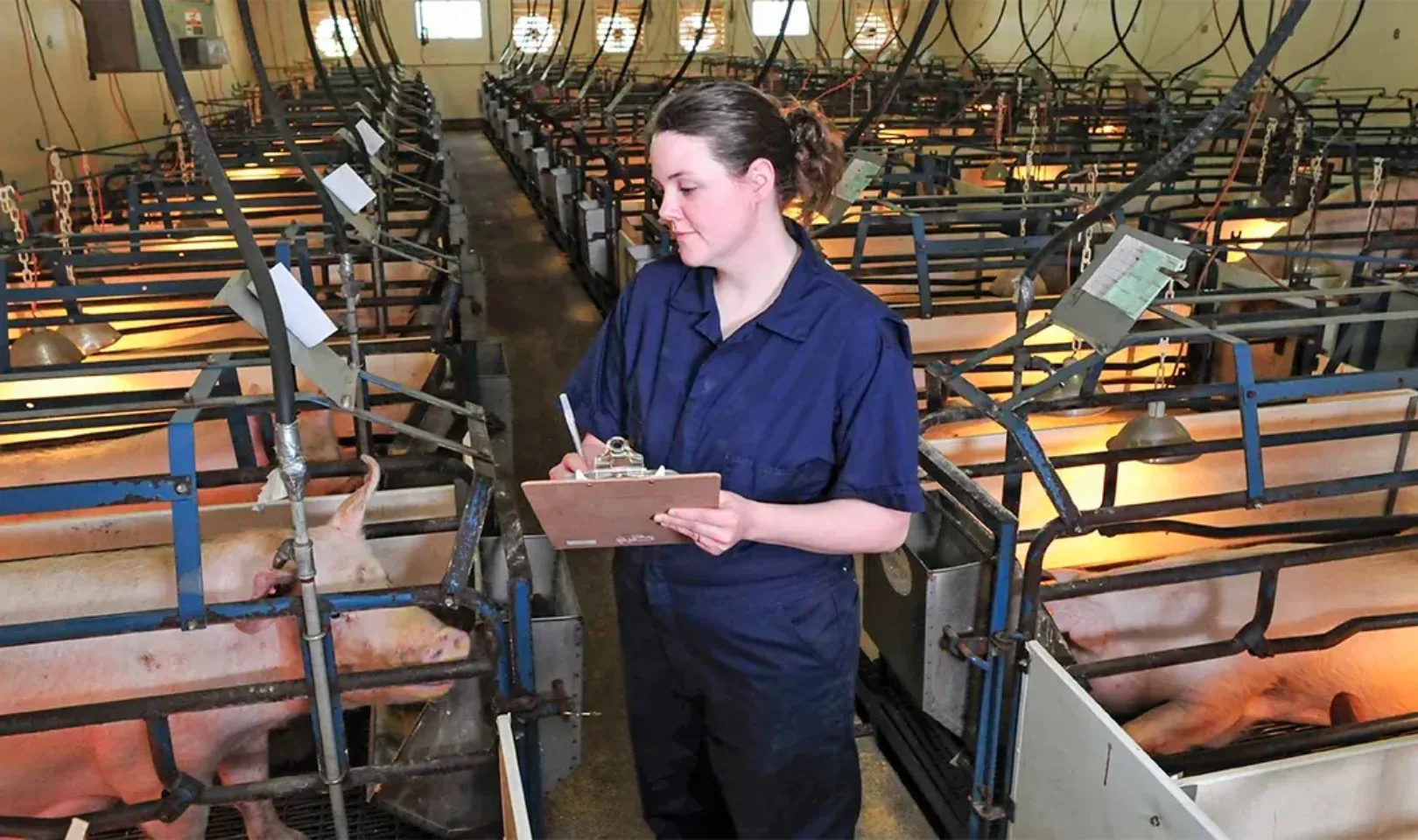
The Common Swine Industry Audit (CSIA) provides a shared, science-based framework used by packers and customers to evaluate on-farm animal care practices and pre-harvest food safety. By enabling consistent measurement and comparability across operations, the CSIA supports continuous improvement while providing transparency into how pigs are raised and how they are cared for throughout production.
A common audit approach gives supply chain partners visibility to on-farm practices while allowing producers to demonstrate responsible animal care through measurable outcomes. By focusing on the pigs and the people who care for them, the industry helps maintain a consistent supply of safe, nutritious pork while strengthening trust across the supply chain.
Strengthening CSIA: What’s New and Why It Matters
While the primary objective of CSIA is to support continuous improvement on the farm, it is equally important that the audit itself continues to evolve. Each year, the CSIA task force reviews audit outcomes, emerging science, on-farm experience, and marketplace expectations to ensure the program remains relevant, credible and practical.
In 2026, the CSIA will undergo the most comprehensive update since its original release.
These updates reflect years of data, validation research, and industry input, with major enhancements in three key areas:
Animal Sampling: A newly validated sampling protocol improves the audit’s ability to detect low-prevalence welfare concerns (as low as 0.5 percent with 95 percent confidence), strengthening the reliability and credibility of audit outcomes. This approach improves the accuracy, repeatability, and credibility of audit outcomes while remaining practical and feasible for on-farm use.
Animal Benchmarking Questions: Benchmarking questions have been reframed to emphasize positive welfare outcomes, such as the percentage of animals walking well or in good condition. This approach allows audits to better recognize positive states while maintaining transparency about welfare concerns.
Animal Handling: Expanded animal handling questions capture a broader range of observed behaviors, with clear expectations that all handling aligns with the site-specific Standard Operating Procedures. Updates also place increased emphasis on space allowance and handling practices during loading, unloading, and transport to support consistent welfare outcomes.
The CSIA also helps reduce audit duplication across customers, improving efficiency while maintaining a consistent and credible approach for evaluating animal care and pre-harvest pork safety across the supply chain.
Education and Training that Reinforce CSIA
CSIA is supported by education and training programs that prepare people and farms to meet audit expectations. Programs such as Pork Quality Assurance Plus® (PQA Plus®) and Transport Quality Assurance® (TQA®) provide science-based training that supports animal care and well-being while reinforcing consistency in on-farm practices. Like CSIA, these programs undergo regular review and research-driven updates. For more than 35 years, they have evolved alongside the industry, ensuring producers have the tools and information needed to continuously refine animal care practices.
Interested in learning more?
Connect with our team of sustainability professionals by completing the form on this page, and we will be in touch soon.
Let’s Collaborate
We are actively seeking collaborations with brands committed to creating a bright, sustainable future for pork. Is that you?